صدمة
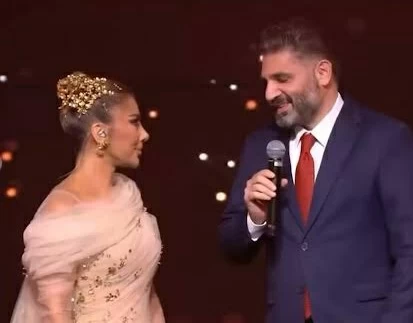
في مشاهد لم تكن قابلة للتخيل قبل سنوات قليلة، حين كان الهمس بكلمة نقد واحدة تجاه مسؤول كفيلًا بإنهاء حياة قائلها، تشهد العاصمة السورية دمشق هذا الأسبوع مشهدًا ديمقراطيًا صحيًا وغير مسبوق. حفل الفنانة أصالة نصري، الذي أحيته مساء الخميس الماضي في صالة «الفيحاء» بعد سنوات غياب طويلة بسبب مواقفها المناهضة للنظام السابق، يتحول إلى ساحة لاختبار سقف حرية التعبير في «سورية الجديدة».شكلت خطب الجمعة في عشرات المساجد عبر مختلف المحافظات السورية ظاهرة لافتة، إذ لم يتوانَ الخطباء عن توجيه سهام النقد المباشر والعلني للحكومة، وكان وزير الثقافة شخصيًا في مرمى الاستهداف المباشر.الوزير الذي اعتبر حفل أصالة وتكريمها تجسيدًا لـ«انتصار المظلوم على الظالم»، واجه ردًا علنيًا قاسيًا من أحد الخطباء الذي خاطبه دون خوف: «عار عليك يا وزير الثقافة أن تقول هذا الكلام»، موضحًا أن الانتصار الحقيقي بمفهومه يكون عبر عودة المهجرين، واستعادة الحقوق، وتطبيق العدالة الانتقالية، وإعادة المنازل لأصحابها، وليس عبر إقامة الفعاليات الغنائية.لم تعد المنابر مجبرة على التغني بالسياسات الرسمية، بل أصبحت مساحة حرّة للتعبير عن المظالم والأولويات الاجتماعية والشرعية. وُجهت انتقادات حادة لفكرة الحفل من أساسها، حيث جرى التأكيد على تحفظات شرعية تنكر الحفلات الغنائية والاختلاط، وتعتبر أن إظهار هذه الفعاليات بمظهر التقدم والحضارة هو أمر مرفوض.لم يقتنع رجل الدين محمد نعيم الحريري بحجة تخصيص جزء من عوائد الحفل للجمعيات الخيرية، مؤكدًا أن النص الشرعي والأولويات تتطلب التذكير والنصح، بدلاً من إقامة احتفالات لا تراعي ظروف البلاد. وفي اتجاه متصل، استنكر الخطباء العبارة التي قيلت عن بقاء دمشق «إلى يوم القيامة»، ليرد خطيب آخر بمباشرة شديدة: «إذا أردنا أن تبقى معنا دمشق إلى يوم القيامة فلنتقِ رب دمشق، ولنطع أمره ونبتعد عن المنكرات».مواجهة الفجوة الطبقيةوفي إطار حرية المساءلة الشعبية للواقع المعيشي، استغل رجال الدين هذه المساحة المفتوحة للتركيز على أسعار التذاكر الخيالية التي تراوحت بين 50 و800 دولار أمريكي.تساءل رجل الدين أبو أحمد الجزائري بجرأة عن وجهة هذه الأموال، قائلاً: «أليس أهل المخيمات أولى بهذه الأموال؟ أليس فقراء سوريا أولى بها؟». ورغم إقراره بشرعية تكريم أصالة لموقفها الداعم للثورة قائلًا: «كرّمها، ما في مشكلة»، إلا أنه رفض ربط التكريم بحفل غنائي يكتنفه الاختلاط، مؤكدًا أن هناك قطاعات واسعة من الجرحى وعائلات الضحايا والمهجرين هم أحق بالدعم والرعاية في هذا الوقت الحرِج.امتدت حالة الحراك الحر لتطال الألقاب والرموز، إذ تحفّظ خطباء كثيرون على إطلاق وصف «أيقونة الثورة» على الفن، معتبرين أن هذا اللقب ملك حصري للشهداء، ولمن بذل دمه وتدمر منزله وفقد أبناءه. وأبرزت الخطب الفجوة بين من خاض المعارك وبذل الدماء، وبين من يكتفي بالتمايل على أنغام الموسيقى.معركة «هوية الشام»في مواجهة موجة الغضب التي اعتلت المنابر، رفعت الأوساط السياسية والثقافية جداراً حامياً حول الحفل، معتبرة زحف الآلاف نحو صالة «الفيحاء» إعلان انتصارٍ حي للحرية والتنوع ورداً صريحاً على محاولات أحادية الصبغة.من فوق الخشبة، حسم وزير الثقافة محمد ياسين صالح الموقف الرسمي بوصف أصالة بـ «ابنة الشام التي تفتح عودتها الباب لكل حر»، رافضاً الخضوع لحملات إلغاء ما وُصفت بـ«حفلات المعاصي»، ومؤكداً أن الفنون هي عماد الهوية الجامعة. موقفٌ عضده مستشار الرئاسة أحمد زيدان باعتبار أصالة «رمزاً أميناً لوديعة الشهداء ومدماكاً لسورية الجديدة»، فيما رأت وزيرة الشؤون الاجتماعية هند قبوات في الحفل «رسالة للعالم بأن الشام تستحق الفرح».وعلى خط المواجهة الفكرية، جرد إعلاميون ومثقفون (في مقدمتهم فيصل القاسم وفرح الأتاسي) أقلامهم للتأكيد على أن سورية الحقيقية هي التي تفتح ذراعيها للتاريخ والجمال لا لمن يشتهي التكميم. وبينما اشتعل الجدل الفقهي، اعتلى آلاف الحاضرين المدرجات بدموع تفيض وأصوات تلهج «ارفع رأسك أنت سوري حر»، ليروا في الحفل (وأغنياته المهداة للساحل والسويداء وكل شبر سوري) الفعل الوطني الأبلغ لترميم جراح الحرب واستعادة روح دمشق المدنية.ويمكن القول إن هذا التراشق الفكري والسجال الحاد ما بين متمسكين بقيم المدنية والعلمانية من جهة، وآخرين يصرحون بالفم الملآن: «ليس لإحياء حفل أصالة نصري خرجنا»: يعد المؤشر الأبرز على ولادة مناخ جديد في سورية. مناخ تتكسر فيه الخطوط الحمراء، وتصبح فيه القرارات الرسمية ورموز السلطة تحت مجهر النقد والمحاسبة الشعبية علنًا وبلا خوف.In scenes that were unimaginable just a few years ago, when whispering a single word of criticism towards an official could end the life of the speaker, the Syrian capital, Damascus, witnesses this week a healthy and unprecedented democratic scene. The concert of artist Assala Nasri, which she held last Thursday at the “Al-Faiha” hall after a long absence due to her opposition to the previous regime, has turned into a testing ground for the limits of freedom of expression in “new Syria”.The Friday sermons in dozens of mosques across various Syrian provinces have formed a striking phenomenon, as the preachers did not hesitate to openly and directly criticize the government, with the Minister of Culture personally in the line of fire.The minister, who considered Assala’s concert and honoring her a manifestation of “the triumph of the oppressed over the oppressor,” faced a harsh public response from one of the preachers who addressed him fearlessly: “Shame on you, Minister of Culture, for saying this,” explaining that true victory, in its essence, comes through the return of the displaced, the restoration of rights, the application of transitional justice, and the return of homes to their owners, not through holding musical events.The platforms are no longer compelled to sing the praises of official policies; rather, they have become a free space to express grievances and social and legal priorities. Sharp criticisms were directed at the very idea of the concert, emphasizing legal reservations that deny musical concerts and mixing, and consider that presenting such events as a sign of progress and civilization is unacceptable.Religious figure Muhammad Naeem Al-Hariri was not convinced by the argument of allocating part of the concert’s proceeds to charitable associations, asserting that the legal text and priorities require reminders and advice, rather than holding celebrations that do not take the country’s circumstances into account. In a related direction, the preachers condemned the phrase that was said about Damascus remaining “until the Day of Judgment,” to which another preacher responded directly: “If we want Damascus to remain with us until the Day of Judgment, let us fear the Lord of Damascus, obey His command, and stay away from sins.”Confronting the Class GapIn the context of the freedom of popular accountability regarding living conditions, religious figures took advantage of this open space to focus on the exorbitant ticket prices, which ranged between 50 and 800 US dollars.Religious figure Abu Ahmad Al-Jaza’iri boldly questioned the destination of this money, saying: “Aren’t the people in the camps more deserving of this money? Aren’t the poor of Syria more deserving?” While he acknowledged the legitimacy of honoring Assala for her supportive stance towards the revolution, saying: “Honor her, there’s no problem,” he rejected linking the honor to a musical concert that involves mixing, emphasizing that there are vast sectors of the injured, families of victims, and displaced persons who are more deserving of support and care at this critical time.The state of free movement extended to titles and symbols, as many preachers were hesitant to label art as the “icon of the revolution,” considering this title to be an exclusive right of the martyrs, and of those who shed their blood, had their homes destroyed, and lost their children. The sermons highlighted the gap between those who fought battles and shed blood, and those who merely sway to the rhythms of music.The Battle of “Damascus Identity”In response to the wave of anger that rose on the platforms, political and cultural circles raised a protective wall around the concert, considering the march of thousands towards the “Al-Faiha” hall a living declaration of victory for freedom and diversity, and a clear response to attempts at a singular narrative.From the stage, Minister of Culture Muhammad Yassin Saleh clarified the official stance by describing Assala as “the daughter of Damascus who opens her return to every free person,” refusing to submit to campaigns to cancel what were described as “concerts of sins,” and affirming that the arts are the cornerstone of a unifying identity. This position was supported by presidential advisor Ahmad Zidan, who considered Assala “a faithful symbol of the martyrs’ trust and a cornerstone of the new Syria,” while Minister of Social Affairs Hind Qubbat viewed the concert as “a message to the world that Damascus deserves joy.”On the intellectual front, journalists and intellectuals (led by Faisal Al-Qassem and Farah Al-Atassi) took up their pens to affirm that the true Syria is one that opens its arms to history and beauty, not to those who wish to silence it. While the legal debate ignited, thousands of attendees filled the stands with tears flowing and voices chanting “Hold your head high, you are a free Syrian,” seeing in the concert (and its songs dedicated to the coast, Sweida, and every inch of Syria) the most profound national act to heal the wounds of war and restore the spirit of civil Damascus.It can be said that this intellectual exchange and sharp debate between those clinging to the values of civility and secularism on one hand, and others who declare outright: “We did not come out to revive Assala Nasri’s concert,” is the most prominent indicator of the birth of a new atmosphere in Syria. An atmosphere where red lines are broken, and official decisions and symbols of authority come under the microscope of public criticism and accountability openly and without fear.
المصدر الأصلي: www.okaz.com.sa
wakalanews.com — متابعة الخبر