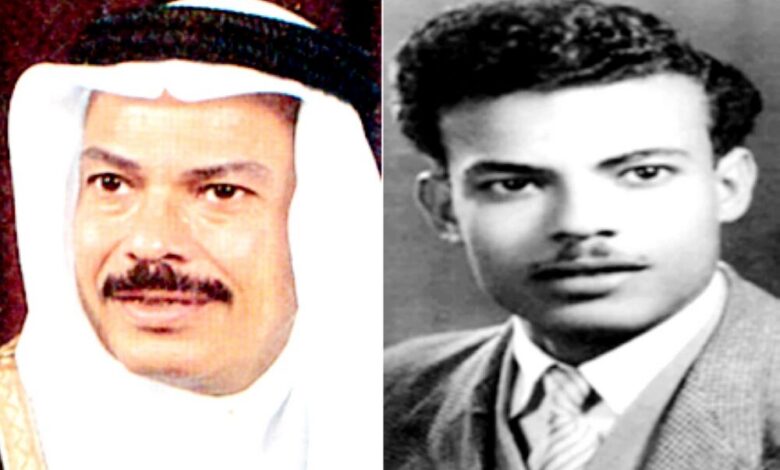
مرت أخيراً الذكرى الثالثة والعشرون لرحيل عميد المعلقين الرياضيين في المملكة العربية السعودية، المرحوم زاهد إبراهيم قدسي، الذي انتقل إلى جوار ربه بمسقط رأسه في مكة المكرمة في الرابع عشر من سبتمبر من عام 2003، على إثر إصابته بجلطة قلبية.وهذه مناسبة لتوثيق سيرته ومسيرته الوضاءة في عالم المستديرة الساحرة كمعلق ومحلل وناقد رياضي عاصر بدايات رياضة كرة القدم في بلاده، وبدايات بث مسابقاتها إذاعياً وتلفزيونياً. ونستند في توثيقنا هذا إلى كل ما كتب عنه في الأدبيات الرياضية السعودية والعربية، وكل ما دونه مواطنوه من محررين وكتاب صحفيين عن رحلته الرياضية المثيرة في الملاعب وخلف المايكرفون، ولا سيما مقال الزميل منصور العساف بجريدة «الرياض» (13 أبريل 2018) تحت عنوان «زاهد قدسي .. رائد التعليق الرياضي»، ومقال الكاتب عبدالله المالكي بجريدة «الجزيرة» (15 سبتمبر 2003) تحت عنوان «زاهد قدسي .. أمضى 46 عاماً في خدمة المجالين الرياضي والإعلامي»، ومقال الكاتب التربوي عبدالرحمن عبدالقادر الأحمدي بجريدة «مكة» (29/3/2022) تحت عنوان «زاهد قدسي ألا يستحق الوفاء من محبيه؟»، ومقال الكاتب صلاح الزامل بجريدة «الرياض» (19/9/2025) تحت عنوان «زاهد قدسي .. عميد المعلقين»، علاوة على ما ورد عن الراحل في تقرير المحرر الرياضي فهد الدوس بجريدة «الرياض» (30/4/2026) تحت عنوان «رصد معلومات لأهم البطولات السعودية والقارية والدولية على مدى 40 عاماً».تقول المصادر، التي اطلعت عليها، إن اسم زاهد قدسي ارتبط ببدايات الحركة الرياضية السعودية التي انطلقت رسمياً في عام 1958، فكان أول من علق على مباريات كرة القدم من الإذاعة آنذاك، قبل سنوات من قيامه بالتعليق تلفزيونياً أيضاً في أعقاب بدء إرسال التلفزيون الرسمي السعودي سنة 1965. ولهذا أطلق عليه لقب «عميد المعلقين الرياضيين»، وتم تصنيفه ضمن أوائل من دخلوا مجال التعليق الرياضي من أمثال محمد عبدالرحمن رمضان وعلي داوود، وسليمان العيسى، وغازي صدقة. وهؤلاء هم الجيل المؤسس للتعليق الرياضي في السعودية، وتبعتهم أجيال من المعلقين المعروفين، ومنهم على سبيل المثال: صديق جمل الليل ومحمد البكر ونبيل نقشبندي ومحمد السقا وعبدالله الحربي وناصر الأحمد وإبراهيم الجابر.على أنني لم أجد في تلك المصادر أي ذكر للتعليق الرياضي التلفزيوني الذي بدأ في السعودية قبل عام 1965 من محطة تلفزيون أرامكو بالظهران (بدأ بثه في سبتمبر 1957)، التي كانت تنقل مباريات أندية المنطقة الشرقية ولقاءاتها البينية أو لقاءاتها مع الفرق الزائرة، علاوة على بث مباريات القدم التي كانت تجرى بين فرق مدن النفط، وكان يعلق عليها المعلق المعتزل ابن مدينة الخبر جارالله محمد التميمي.تاريخياً، يعود التعليق الرياضي في الوطن العربي إلى أوائل ثلاثينات القرن العشرين، وتحديداً من خلال الإذاعة المصرية التي بدأت بثها في عام 1934، والتي كانت تقوم آنذاك بتغطية مباريات كرة القدم دون غيرها بسبب شعبيتها الواسعة. وفي حقبة الخمسينات انتشر التعليق الرياضي بشكل أوسع، ليس في مصر وحدها وإنما أيضاً في العراق ولبنان وسوريا ودول الخليج، لا سيما مع تنظيم البطولات والفعاليات الرياضية الرسمية المحلية. وصاحب هذه التطورات في تلك الفترة والعقود التالية، بطبيعة الحال، ظهور أسماء بارزة في مجال التعليق مثل محمد لطيف وإبراهيم الجويني ومحمود بكر في مصر، وإسماعيل محمد ومؤيد البدري في العراق، وناصيف مجدلاني وخليل نحاس ولبيب بطرس في لبنان، وعدنان بوظو في سوريا، وخالد الحربان في الكويت، وعبدالرحمن حوكل في الإمارات، ويوسف سيف في قطر، ومحمد سويد في البحرين، وسالم سيف العادي في عمان. وعلى هامش بروز هذه الأسماء، تأسست مدارس مختلفة للتعليق الرياضي، وسمعنا بمصطلحات رياضية جديدة لم نعهدها من قبل.ومع انتشار القنوات الفضائية، خرج العديد من المعلقين العرب من أسر المحلية الضيق إلى الفضاء العربي الواسع، وخصوصاً الأسماء المغاربية التي برزت في مجال التعليقين الإذاعي والتلفزيوني بدول الخليج العربية، وأضحت نجوماً يشار إليها بالبنان من أمثال الجزائريين الأخضر بالريش وحفيظ دراجي وحسني الزغدودي، والتونسيين عصام الشوالي ورؤوف خليف، والمغربي جواد بدة، علاوة على معلقين من سوريا مثل أيمن جادة وياسر علي ديب ومصطفى الآغا، ومن مصر مثل مدحت شلبي وعلي محمد علي.وبالعودة إلى الراحل زاهد قدسي، نجد أن سيرته الذاتية المنشورة تقول، إنه ولد بمنزل الصواف بحي المسفلة في مكة المكرمة في عام 1937 (وفي قول آخر عام 1938)، واختار له والده اسم «زاهد»، لأن مالك المنزل المستأجر الذي يقيمون فيه كان اسمه «زاهد الصواف»، وكان من خيرة أهل الحي. تيتم قدسي بوفاة والده وهو في الخامسة من عمره، فتعهده بالرعاية والاهتمام صديق أبيه الشيخ أحمد ملائكة، الذي أرسله للدراسة في مصر، حيث أمضى صاحبنا سنوات نشأته ودراسته الأولى في حي الجيزة بالقاهرة، الذي أقام فيه لمدة 13 سنة متواصلة خلال حقبة الأربعينات من القرن العشرين، عاصر خلالها الكثير من الأحداث المفصلية في تاريخ مصر، وتعرف إبانها على معالم وكنوز العاصمة المصرية الثقافية والفنية والتاريخية، وزامل أثناءها عدداً من أعلام بلاده مثل بكري شطا والدكتور سليمان فقيه والدكتور حسن خفاجي وإبراهيم الطاسان، فتوسعت مداركه وثقافته وتكونت شخصيته، علاوة على حصوله على شهادة دبلوم التجارة، وتعرفه عن كثب على الحركة الكشفية والعديد من الرياضات التي لم تكن تمارس في مسقط رأسه.عاد قدسي إلى وطنه في حدود عام 1958 وعمره 21 ربيعاً، ليفني العقود التالية من عمره في خدمة وطنه في مجال التربية والتعليم والإعلام الرياضي، وليلتصق باسمه كلمة «الأول». فهو أول سعودي يعلق على مباريات كرة القدم من الإذاعة (كان تعليقه الأول على مباراة كأس الملك بين أهلي جدة وأهلي الرياض «نادي الرياض» حالياً في عام 1963)، وأول من نقل مباريات القدم وعلق عليها من خلال التلفزيون السعودي الرسمي عند إطلاق بثه سنة 1965، وهو أول من أعد وقدم برامج رياضية من الإذاعة والتلفزيون، وأول من ترأس في عام 1980 لجنة المعلقين السعوديين بتكليف من الرئيس العام لرعاية الشباب والرياضة آنذاك الأمير فيصل بن فهد بن عبدالعزيز، وأول من تولى رئاسة لجنة المعلقين العرب المنبثقة عن الاتحاد العربي لكرة القدم في عام 1997، وأول مدير تحرير لأول صحيفة رياضية أسبوعية تصدر في السعودية، وهي صحيفة «الرياضة» التي أصدرها فؤاد عبدالحميد عنقاوي ومحمد عبدالله مليباري في مكة سنة 1960 وتوقفت عن الصدور في عام 1963. إلى ما سبق، كان قدسي أول من نشر في أوساط الشباب في مكة قواعد وأصول الرياضات التي شاهدها أو مارسها في مصر مثل كرة السلة وكرة الطائرة وكرة المضرب ورفع الأثقال.بدأ قدسي في العام 1958 مسيرته العملية بعد عودته من مصر، بالعمل معلماً بمدرسة السعدية الابتدائية في حي جرول بمكة، حيث أمضى في هذه المدرسة مدة عامين نجح خلالهما في تنظيم المدرسة والارتقاء بها، بعدهما، وبسبب حمله لدبلوم التجارة، نقلته وزارة المعارف ليعمل وكيلاً للمدرسة التجارية المتوسطة بحي الشامية في مكة. وفي العام الدراسي 1966/1967 تم تعيينه مديراً لأكبر مدارس مكة المتوسطة وهي «مدرسة الزاهر المتوسطة» التي كانت تضم وقتها أكثر من ألف طالب. وفي عام 1972 واتته فكرة الاستثمار في التعليم الخاص، فأقدم على تأسيس أول مدرسة نموذجية في مكة المكرمة تحت اسم «مدرسة الملك فيصل النموذجية»، علماً بأن الرجل كان قد أسس في الستينات معهداً خاصاً باسم «معهد قدسي للغة والآلة الطابعة» لتقديم دورات مسائية، وكان يشرف فيه بنفسه على العملية التعليمية. واختتم مشواره مع وزارة المعارف بالعمل كمستشار ومدير قسم الإحصاء التربوي في إدارة التعليم بمكة في الفترة من 1982 إلى 1996، وهو العام الذي تقاعد فيه من العمل بوزارة المعارف.وإبان مشواره المهني تزوج قدسي في العام 1963 من السيدة هند ابنة المطوف المعروف محمد علي العلاف، التي أنجبت له ابنه البكر إبراهيم وأربع بنات (عبير وميادة ودلال وتهاني) وابنه الأصغر أشرف.بعيداً عن دوره التربوي، انشغل قدسي بالعمل الصحفي، حيث كانت الصحافة إحدى هواياته إبان دراسته بمصر، بدليل أنه ترأس تحرير مجلة «الجوالة» أثناء دراسته التجارة المتوسطة، ثم بدليل مساهماته في تحرير جريدة «المرآة» التي كان يصدرها طلبة البعثات السعودية في مصر. وحينما عاد إلى وطنه كتب في صحيفة «الندوة» مقالات تحت عنوان «إصلاح الأسرة»، ثم راح يكتب مقالات ثابتة في عمود أسماه «هدايا» بجريدة «البلاد»، حاول من خلالها تناول مشكلات وهموم المواطن المكي مع الجهات الخدمية كالبلديات، بل ووجه من خلالها رسائل ساخنة إلى رئيس بلدية العاصمة المقدسة آنذاك عبدالله عريف (الرئيس الأسبق لنادي الوحدة)، الأمر الذي حقق له قبولاً واسعاً في الشارع المكي، لأنه أجاد التعبير عن قضايا مواطنيه بوعي بسبب قربه منهم واحتكاكه بهم، فضلاً عن ثراء خبرته الحياتية وتجاربه الاجتماعية وقلمه الرشيق. وقاده شغفه بالصحافة إلى تولي إدارة تحرير صحيفة «الرياضة» كما أسلفنا، وهي صحيفة، رغم عمرها القصير، إلا أنها حققت نجاحاً واسعاً، لتناولها الأحداث الرياضية المحلية والعالمية بأسلوب رشيق.صوت في ذاكرة الملاعبومن الإعلام المكتوب إلى الإعلامين المرئي والمسموع، حيث تأثر قدسي بجيل عمالقة التعليق الرياضي في مصر كالكابتن محمد لطيف ومحمود بدر الدين وعلي زيور، واستفاد من احتكاكه بهم، ولهذا شارك أولاً منذ أواخر الخمسينات في التعليق الإذاعي إلى جانب المذيعين الرواد كطاهر الزمخشري وعبدالله منيعي وبكر يونس، ومع مطلع الستينات، واصل مشواره في التعليق الإذاعي، إلى جانب مساهمته مع الدكتورين بدر كريم وهاشم عبده هاشم في إعداد برنامج «مجلة الرياضة» الإذاعي، الذي كان يتناول المباريات المحلية بالتعليق والتحليل.لاحقاً، بدأت مسيرة قدسي في التعليق التلفزيوني، وكانت البداية من تعليقه على مباراة بين فريقي الاتفاق من الدمام والوحدة من مكة على نهائي كأس الملك سنة 1966، حيث قدم فاصلاً تعليقياً مميزاً للشوط الأول من المباراة، فيما تولى زميله محمد رمضان التعليق على الشوط الثاني. كما أسندت إليه وزارة الإعلام مهمة تقديم برنامج «ركن الرياضة» من تلفزيون جدة، الذي بثت حلقته الأولى بتاريخ 26 فبراير 1966. وكان آخر تعليق له في مشواره هو التعليق على مباراة فريقي الاتحاد والأهلي من جدة في نهائي كأس الاتحاد السعودي لكرة القدم سنة 1997.بصمات في الرياضة والثقافةمن الأنشطة الأخرى في سيرة قدسي، أنه شارك في العديد من دورات المعلقين الرياضيين العرب كمحاضر، وذلك في البحرين والأردن وتونس. كما أصدر كتاباً توثيقياً بعنوان «السجل الرياضي» عن الدوري المحلي والقاري والعالمي لكرة القدم، وحرص على التواجد في دورات كأس الخليج كمعلق وإعلامي ومحاضر، حتى استحق لقب «صديق دورات الخليج»، وشارك في جميع بطولات الاتحاد العربي لكرة القدم سواء على مستوى الأندية أو المنتخبات (كانت آخر محطاته في تونس سنة 1998)، ورافق المنتخب السعودي إلى مونديال 1994 بالولايات المتحدة ومونديال 1998 بفرنسا، وشارك في تغطية بطولات الآسياد في سيؤول الكورية، وبطولات الشباب الآسيوية، وأولمبياد لوس أنجليس 1982، وأولمبياد سيؤول 1988، وأولمبياد أتلانتا 1996، وكأس العالم للناشئين بكندا في 1990، وغيرها.علاوة على كل هذا، شغل قدسي عضوية مجلس إدارة نادي الوحدة بمكة، ووصل إلى منصب نائب رئيس مجلس شرف النادي، كما كان مستشاراً لعدد من إدارات النادي، وعمل عضواً في اللجنة الفنية لكرة القدم منذ أن كانت شؤون الرياضة والشباب تتبع وزارة الداخلية، وحظي بالعضوية الدائمة في الاتحاد السعودي لكرة الطائرة (من 1977 إلى 1992)، وبعضوية لجنة قواعد اللعبة في الاتحاد الآسيوي لكرة الطائرة (من 1986 إلى 1993).وعلى الصعيد الثقافي، شارك قدسي الأديب المكي أحمد السباعي ومجموعة من المثقفين سنة 1959 في إنشاء أول مسرح في مكة (مسرح الشيخ السباعي)، كما حظي بعضوية «نادي مكة الثقافي الأدبي» منذ سنة 1978م، فشارك في العديد من فعالياته سواء داخل مكة أو خارجها، وكون علاقات صداقة وطيدة مع أعلام الفن والأدب من أمثال الموسيقار طارق عبدالحكيم والشاعر إبراهيم خفاجي والكاتب عبدالله باجبير.ونختتم بالتأكيد على أن سيرة وذكرى الفقيد ما كانت لتتجدد كل عام لولا قيام أبنائه بجهود مشكورة في حفظ تراث أبيهم، ومبادرتهم في عام 2004 بإطلاق «جائزة زاهد قدسي للتعليق الرياضي» السنوية، التي نالتها ثلة من أشهر المعلقين الرياضيين في الخليج والعالم العربي مذاك.The twenty-third anniversary of the passing of the dean of sports commentators in the Kingdom of Saudi Arabia, the late Zahid Ibrahim Qudsi, has finally arrived. He passed away in his birthplace in Mecca on the fourteenth of September 2003, due to a heart attack.This occasion serves to document his biography and his illustrious journey in the world of the enchanting round ball as a commentator, analyst, and sports critic who witnessed the beginnings of football in his country, as well as the early broadcasts of its competitions on radio and television. Our documentation relies on everything that has been written about him in Saudi and Arab sports literature, and everything recorded by his fellow citizens from editors and journalists about his exciting sports journey on the fields and behind the microphone, especially the article by colleague Mansour Al-Assaf in the newspaper “Al-Riyadh” (April 13, 2018) titled “Zahid Qudsi .. Pioneer of Sports Commentary,” and the article by writer Abdullah Al-Maliki in the newspaper “Al-Jazirah” (September 15, 2003) titled “Zahid Qudsi .. Spent 46 Years Serving the Sports and Media Fields,” and the article by educational writer Abdulrahman Abdulqader Al-Ahmadi in the newspaper “Makkah” (March 29, 2022) titled “Zahid Qudsi Does He Not Deserve Loyalty from His Admirers?,” and the article by writer Salah Al-Zamel in the newspaper “Al-Riyadh” (September 19, 2025) titled “Zahid Qudsi .. Dean of Commentators,” in addition to what was mentioned about the late Qudsi in the report by sports editor Fahd Al-Dosari in the newspaper “Al-Riyadh” (April 30, 2026) titled “Monitoring Information on the Most Important Saudi, Continental, and International Championships Over 40 Years.”Sources I have reviewed state that the name Zahid Qudsi is associated with the beginnings of the Saudi sports movement, which officially started in 1958. He was the first to comment on football matches on the radio at that time, years before he began commenting on television following the launch of the official Saudi television broadcast in 1965. For this reason, he was given the title “Dean of Sports Commentators,” and he was classified among the first to enter the field of sports commentary alongside figures like Muhammad Abdulrahman Ramadan, Ali Dawood, Suleiman Al-Issa, and Ghazi Sadqa. These individuals are the founding generation of sports commentary in Saudi Arabia, followed by generations of well-known commentators, including, for example: Sadiq Jamal Al-Layl, Muhammad Al-Bakr, Nabil Naqshbandi, Muhammad Al-Saqa, Abdullah Al-Harbi, Nasser Al-Ahmad, and Ibrahim Al-Jaber.However, I did not find any mention in those sources of the television sports commentary that began in Saudi Arabia before 1965 from the Aramco television station in Dhahran (which began broadcasting in September 1957), which aired matches of clubs in the Eastern Province and their inter-matches or matches with visiting teams, in addition to broadcasting football matches that took place between teams from oil cities, which were commented on by the retired commentator from the city of Khobar, Jarallah Muhammad Al-Tamimi.Historically, sports commentary in the Arab world dates back to the early 1930s, specifically through Egyptian radio, which began its broadcasts in 1934, covering football matches due to their widespread popularity. In the 1950s, sports commentary spread more widely, not only in Egypt but also in Iraq, Lebanon, Syria, and the Gulf countries, especially with the organization of official local championships and sporting events. Accompanying these developments during that period and the following decades, naturally, were the emergence of prominent names in the field of commentary such as Muhammad Latif, Ibrahim Al-Juwaini, and Mahmoud Bakr in Egypt, Ismail Muhammad and Muayyad Al-Badri in Iraq, Nasif Majdalani, Khalil Nahas, and Labib Butros in Lebanon, Adnan Bouzou in Syria, Khalid Al-Harban in Kuwait, Abdulrahman Hawkal in the UAE, Youssef Saif in Qatar, Muhammad Suwaid in Bahrain, and Salem Saif Al-Adi in Oman. On the sidelines of the emergence of these names, various schools of sports commentary were established, and we heard new sports terms that we had not encountered before.With the spread of satellite channels, many Arab commentators emerged from the narrow local confines to the vast Arab space, especially the Maghreb names that excelled in the fields of radio and television commentary in the Gulf countries, becoming stars referred to by name, such as the Algerians Akhdar Belrish, Hafiz Draji, and Hosni Al-Zghdoudi, the Tunisians Issam Al-Shawali and Raouf Khalif, the Moroccan Jawad Bada, in addition to commentators from Syria like Ayman Jada, Yasser Ali Dib, and Mustafa Al-Agha, and from Egypt like Medhat Shalaby and Ali Muhammad Ali.Returning to the late Zahid Qudsi, we find that his published biography states that he was born in the house of Al-Sawaf in the Al-Masfala neighborhood of Mecca in 1937 (or in another account, in 1938). His father chose the name “Zahid” because the owner of the rented house they lived in was named “Zahid Al-Sawaf,” and he was one of the best people in the neighborhood. Qudsi became an orphan at the age of five when his father passed away, and he was cared for and looked after by his father’s friend, Sheikh Ahmad Malaika, who sent him to study in Egypt, where our subject spent his formative years and early education in the Giza neighborhood of Cairo, where he lived for 13 consecutive years during the 1940s. During this time, he witnessed many pivotal events in Egypt’s history and became acquainted with the cultural, artistic, and historical landmarks and treasures of the Egyptian capital, and he mingled with several prominent figures of his country such as Bakri Shata, Dr. Suleiman Fakih, Dr. Hassan Khafaji, and Ibrahim Al-Tasan, which expanded his horizons and culture and shaped his personality, in addition to obtaining a diploma in commerce and becoming closely acquainted with the scouting movement and many sports that were not practiced in his hometown.Qudsi returned to his homeland around 1958 at the age of 21, dedicating the following decades of his life to serving his country in the fields of education and sports media, and the word “first” became associated with his name. He was the first Saudi to comment on football matches on the radio (his first commentary was on the King’s Cup match between Al-Ahli Jeddah and Al-Ahli Riyadh, currently known as Al-Riyadh, in 1963), and the first to broadcast and comment on football matches through the official Saudi television when it launched its broadcast in 1965. He was also the first to prepare and present sports programs on radio and television, the first to chair the Saudi Commentators Committee in 1980 at the request of the then President of Youth and Sports, Prince Faisal bin Fahd bin Abdulaziz, the first to head the Arab Commentators Committee established by the Arab Football Confederation in 1997, and the first editor-in-chief of the first weekly sports newspaper published in Saudi Arabia, which was “Al-Riyadah” issued by Fouad Abdulhamid Anqawi and Muhammad Abdullah Malibari in Mecca in 1960, which ceased publication in 1963. Additionally, Qudsi was the first to introduce the rules and principles of sports he had seen or practiced in Egypt, such as basketball, volleyball, tennis, and weightlifting, to the youth in Mecca.Qudsi began his professional career in 1958 after returning from Egypt, working as a teacher at Al-Saudiah Primary School in the Al-Jarwal neighborhood of Mecca, where he spent two years successfully organizing and elevating the school. After that, due to his diploma in commerce, the Ministry of Education transferred him to work as the deputy principal of the commercial intermediate school in the Al-Shamiya neighborhood of Mecca. In the academic year 1966/1967, he was appointed as the principal of the largest intermediate school in Mecca, “Al-Zahir Intermediate School,” which at that time had more than a thousand students. In 1972, he had the idea of investing in private education, so he established the first model school in Mecca under the name “King Faisal Model School,” noting that he had previously established a private institute in the 1960s called “Qudsi Institute for Language and Typing” to offer evening courses, where he personally supervised the educational process. He concluded his journey with the Ministry of Education by working as a consultant and director of the Educational Statistics Department in the Education Administration in Mecca from 1982 to 1996, the year he retired from the Ministry of Education.During his professional journey, Qudsi married in 1963 to Mrs. Hind, the daughter of the well-known mutawif Muhammad Ali Al-Allaf, who gave birth to his first son Ibrahim and four daughters (Abeer, Mayada, Dalal, and Tahani) and his youngest son Ashraf.Apart from his educational role, Qudsi was involved in journalism, as journalism was one of his hobbies during his studies in Egypt, evidenced by the fact that he was the editor-in-chief of the magazine “Al-Jawalah” during his intermediate commerce studies, and later contributed to the editorial work of the newspaper “Al-Mir’ah,” which was published by Saudi scholarship students in Egypt. When he returned to his homeland, he wrote articles in the newspaper “Al-Nadwa” under the title “Family Reform,” and then began writing regular articles in a column he named “Gifts” in the newspaper “Al-Bilad,” where he attempted to address the issues and concerns of Meccan citizens with service entities such as municipalities, even sending heated messages to the then Mayor of the Holy Capital, Abdullah Arif (the former president of Al-Wehda Club), which earned him wide acceptance in Meccan society, as he adeptly expressed the issues of his fellow citizens with awareness due to his closeness to them and his interaction with them, in addition to his rich life experience and social encounters and his eloquent writing style. His passion for journalism led him to take on the role of editor-in-chief of the newspaper “Al-Riyadah,” as previously mentioned, which, despite its short lifespan, achieved significant success in covering local and international sports events in a graceful style.A Voice in the Memory of StadiumsFrom written media to visual and audio media, Qudsi was influenced by a generation of sports commentary giants in Egypt, such as Captain Muhammad Latif, Mahmoud Badr Al-Din, and Ali Zayour, and benefited from his interaction with them. Thus, he participated first in radio commentary since the late 1950s alongside pioneering broadcasters like Tahir Al-Zamakhshari, Abdullah Muni’i, and Bakr Younis. With the dawn of the 1960s, he continued his journey in radio commentary, alongside his contributions with Dr. Badr Karim and Hashim Abdu Hashim in preparing the radio program “Sports Magazine,” which covered local matches with commentary and analysis.Later, Qudsi’s journey into television commentary began, starting with his commentary on a match between the teams Al-Ittifaq from Dammam and Al-Wahda from Mecca in the King’s Cup final in 1966, where he provided a distinctive commentary segment for the first half of the match, while his colleague Muhammad Ramadan commented on the second half. The Ministry of Information assigned him the task of presenting the program “Sports Corner” from Jeddah Television, which aired its first episode on February 26, 1966. His last commentary in his career was on the match between the teams Al-Ittihad and Al-Ahli from Jeddah in the final of the Saudi Federation Cup in 1997.Imprints in Sports and CultureAmong the other activities in Qudsi’s biography, he participated in many Arab sports commentators’ courses as a lecturer, in Bahrain, Jordan, and Tunisia. He also published a documentary book titled “The Sports Record” about local, continental, and global football leagues, and he was keen to attend the Gulf Cup tournaments as a commentator, media figure, and lecturer, earning him the title “Friend of the Gulf Tournaments.” He participated in all the Arab Football Confederation championships, whether at the club or national team level (his last stop was in Tunisia in 1998), and accompanied the Saudi national team to the 1994 World Cup in the United States and the 1998 World Cup in France, and participated in covering the Asian Games in Seoul, youth Asian championships, the Los Angeles Olympics in 1982, the Seoul Olympics in 1988, the Atlanta Olympics in 1996, the FIFA U-20 World Cup in Canada in 1990, and others.In addition to all this, Qudsi held membership in the Board of Directors of Al-Wehda Club in Mecca, reaching the position of Vice President of the Club’s Honorary Board, and served as an advisor to several club administrations. He worked as a member of the Football Technical Committee since sports and youth affairs were under the Ministry of Interior, and he enjoyed permanent membership in the Saudi Volleyball Federation (from 1977 to 1992), and membership in the Game Rules Committee of the Asian Volleyball Federation (from 1986 to 1993).On the cultural front, Qudsi participated with the Meccan writer Ahmed Al-Sabahi and a group of intellectuals in 1959 in establishing the first theater in Mecca (Sheikh Al-Sabahi Theater), and he enjoyed membership in the “Mecca Literary and Cultural Club” since 1978, participating in many of its activities both inside and outside Mecca, and forming close friendships with prominent figures in art and literature such as musician Tariq Abdul Hakim, poet Ibrahim Khafaji, and writer Abdullah Bajabir.We conclude by emphasizing that the biography and memory of the late would not be renewed every year if it were not for the commendable efforts of his children in preserving their father’s legacy, and their initiative in 2004 to launch the “Zahid Qudsi Award for Sports Commentary,” which has been awarded to a group of the most famous sports commentators in the Gulf and the Arab world since then.
نشر لأول مرة على: www.okaz.com.sa
تاريخ النشر: 2026-10-26 00:21:00
الكاتب: بقلم: د. عبدالله المدني abu_taymour@
تنويه من موقع “wakalanews”:
تم جلب هذا المحتوى بشكل آلي من المصدر:
www.okaz.com.sa
بتاريخ: 2026-10-26 00:21:00.
الآراء والمعلومات الواردة في هذا المقال لا تعبر بالضرورة عن رأي موقع “wakalanews”، والمسؤولية الكاملة تقع على عاتق المصدر الأصلي.
ملاحظة: قد يتم استخدام الترجمة الآلية في بعض الأحيان لتوفير هذا المحتوى.
wakalanews.com — متابعة الخبر