
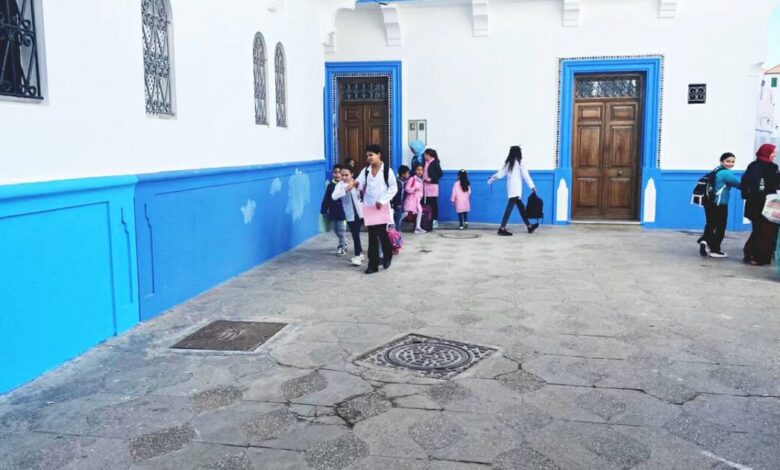
من المُتعذر على زائر مدينة أصيلة المغربية أن ينسى أو يتناسى ملامح الفتنة المباحة للتكوين العمراني، والفضاء الإنساني المتجذر في بيئته الحميمة. ولطالما افتتن زوار المدينة العتيقة برونقها ولونها وعبق جدرانها، ولم يستكثروا عليها ولا منها نقش بصمتها بعفويّة في ذاكرة العالم، وطبع صورتها في الوجدان بما تقوم عليه وبه من السحر الحلال، والتنسيق الأثري للمساكن والحوانيت، والزنقات مفتوحة الجهات على الماء والسماء.ربما كانت (أصيلة) أسطورة فينيقية أو قرطاجنية، ولعله من شدّة التعلق بالأسطورة وتصديقها تمثّلت واقعاً للعيان، إلا أنّ المغرب ثقافة وتاريخ لم تقف عندما أسهمت به الجغرافيا من أثر، ولا جاد به التاريخ من تأثير؛ إذ الإنسان في بلاد المغرب معطاء بطبعه، وكان للوزير الراحل محمد بن عيسى والفنان محمد المليحي، وكلاهما من أبناء أصيلة، فضل بناء فضاء معنوي موازٍ للمادي، فتهيأت الأرضية الثقافية، اللافتة لانتباه الكون، والمعززة لاستثمار الإنسان بالتنمية، فبدأ عناق الحجارة للألوان، واتصل الزمان بالمكان والإنسان، ونجح ابن المدينة العتيقة في مد جسور التواصل الحضاري بينه وبين كل زائر يمر من هنا.مع ارتفاع صوت المؤذن لصلاة الفجر من الجامع الأعظم، تهب نسمات المحيط الأطلسي مؤذنة بتفاعل سماوي وأرضي، فيما يتحرك كبار السن والشباب والأطفال للتزوّد بروحانية قبل أن يعود الجميع إلى متاجرهم، وبسمة الرضا تكسو ملامحهم، فيما تنفتح مساحات المثاقفة بكل اللغات، ولا تملك إلا أن تطرب للهجة الشعبية الفاتنة والتي هي امتداد للفصحى التي عزّز حضورها القرآن الكريم، وداخل الطرقات يعمّ السلام ببركة من يستقبل ومن يودّع بالسلام.ليست أصيلة سياحة وإن كانت جزءاً منها، بل حياة متناغمة منذ انبلاج أنوار الصباح، وألحان عصيّة على التنشيز لا تكسل ولا في ساعة القيلولة. وفي أروقة قصر الريسوني تتردد كل مساء أصداء الفلكلور الآخذ بتلابيب القلب؛ لتجدّد العلاقة بالثقافة والفنون والأدب والفكر، وعلى باب قصر الثقافة تعانق رجلاً يُسمى حاتم البطيوي، مسكون بهاجس الحفاظ على إرث تحمّل مسؤوليته وهو أهل.It is impossible for a visitor to the Moroccan city of Asilah to forget or overlook the features of permissible allure in its architectural formation and the human space deeply rooted in its intimate environment. Visitors to the ancient city have long been captivated by its charm, color, and the fragrance of its walls, and they have not hesitated to imprint its essence spontaneously in the memory of the world, engraving its image in the consciousness with the magic it embodies, the archaeological coordination of homes and shops, and the alleys open to water and sky.Perhaps Asilah is a Phoenician or Carthaginian legend, and perhaps due to the deep attachment to the myth and belief in it, it has manifested as a reality before our eyes. However, Morocco, with its culture and history, did not stop at what geography has contributed in terms of impact, nor at what history has bestowed in terms of influence; for the people of Morocco are generous by nature. The late minister Mohamed Ben Issa and the artist Mohamed Melihi, both from Asilah, played a significant role in building a spiritual space parallel to the material one, creating a cultural foundation that attracts the attention of the universe and enhances human investment through development. Thus began the embrace of stones by colors, time connected with place and people, and the son of the ancient city succeeded in building bridges of cultural communication between himself and every visitor passing through.As the call to dawn prayer rises from the Grand Mosque, the breezes of the Atlantic Ocean blow, heralding a celestial and earthly interaction, while the elderly, youth, and children move to gather spiritual nourishment before everyone returns to their shops, with smiles of contentment adorning their faces. Meanwhile, spaces for cultural exchange open up in all languages, and one cannot help but be enchanted by the captivating popular dialect, which is an extension of the classical Arabic that the Holy Quran has reinforced. Within the streets, peace prevails, blessed by those who greet and bid farewell with tranquility.Asilah is not merely tourism, even if it is part of it; rather, it is a harmonious life from the break of dawn, with melodies resistant to dissonance, never lazy even during the siesta hour. In the corridors of the Rissouni Palace, the echoes of folklore resonate every evening, capturing the heart; renewing the relationship with culture, arts, literature, and thought. At the entrance of the Palace of Culture, one embraces a man named Hatim Al-Batiwi, who is driven by the concern of preserving a heritage for which he bears responsibility and is worthy.
نشر لأول مرة على: www.okaz.com.sa
تاريخ النشر: 2026-10-23 00:18:00
الكاتب: علي الرباعي (الباحة) Al_ARobai@
تنويه من موقع “wakalanews”:
تم جلب هذا المحتوى بشكل آلي من المصدر:
www.okaz.com.sa
بتاريخ: 2026-10-23 00:18:00.
الآراء والمعلومات الواردة في هذا المقال لا تعبر بالضرورة عن رأي موقع “wakalanews”، والمسؤولية الكاملة تقع على عاتق المصدر الأصلي.
ملاحظة: قد يتم استخدام الترجمة الآلية في بعض الأحيان لتوفير هذا المحتوى.
wakalanews.com — متابعة الخبر